Apple Music Visualizer
Apple Music has some of the best audio quality available. vizz.fm gives it a visual layer to match: free, browser-based, and reacting to every frequency in real time.
See it in action
Click any preview to run it with your own music
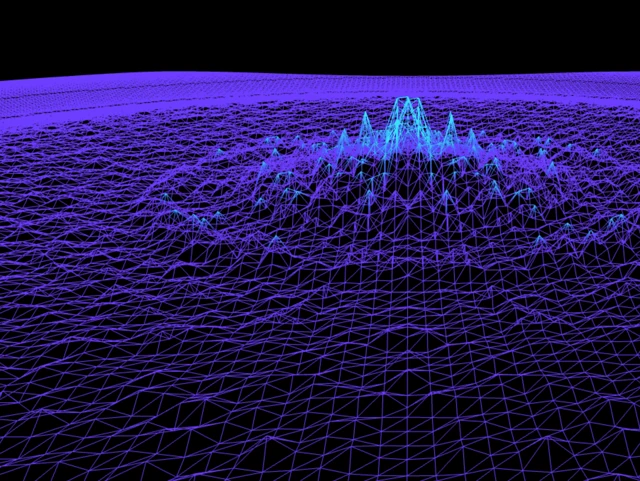


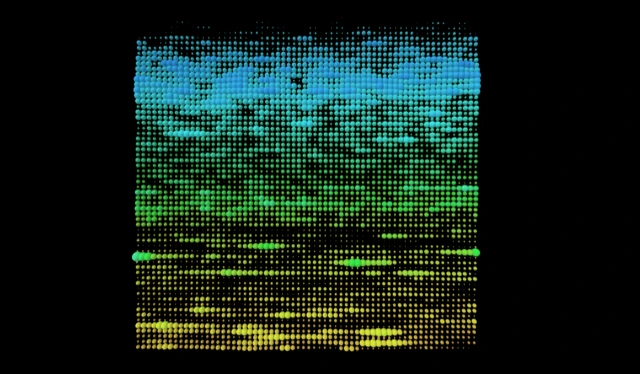
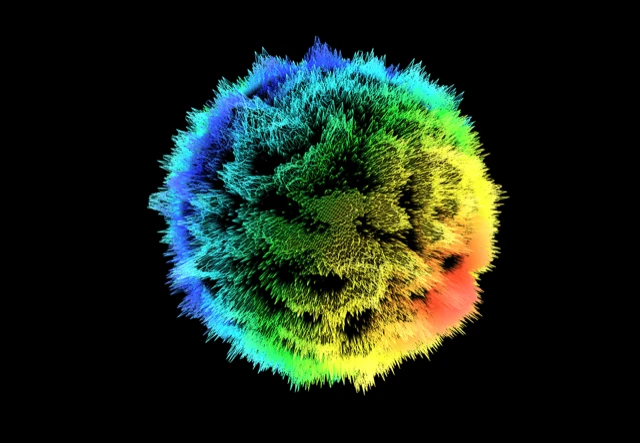
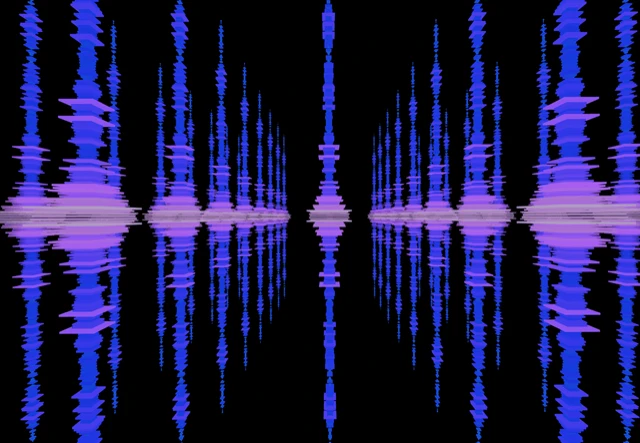


How to visualize your Apple Music music
Remember the iTunes visualizer? Apple killed it. Apple Music has some of the best audio quality options available (lossless, hi-res lossless, Dolby Atmos), but the visual experience is minimal. Album art and a waveform scrubber. That's it.
vizz.fm picks up where iTunes left off. All that high-fidelity audio translates into richer, more detailed frequency data, which means more expressive visualizations. If you're paying for lossless quality, you should be able to see the difference too.
How to connect Apple Music to vizz.fm
In Chrome, Edge, or Brave, you can capture your computer's audio with a few clicks using screen sharing, no extra software needed. The visualizer gets a direct, full-quality feed of whatever Apple Music is playing.
Play something on Apple Music
Open Apple Music and start playing anything. The audio just needs to be running.
Open vizz.fm and select System audio
In the audio source picker, choose System audio. Your browser opens its “Choose what to share” dialog.
Share with audio turned on
Pick the Apple Music window (or your entire screen), turn on “Also share system audio” at the bottom of the dialog, and click Share. The visualizer starts reacting immediately. Our screen sharing guide walks through it with screenshots.
Prefer a virtual audio device, or using a different browser? Follow our system audio capture guide to route audio with an application like BlackHole, Loopback, or VoiceMeeter, then select the device as your Microphone input. It's a one-time setup that takes a few minutes and works in every browser.
Platform notes
On macOS, you're using the Music app. On Windows, Apple Music has a dedicated app, or you can use the web player at music.apple.com. All routes work with system audio capture.
If you're routing lossless or hi-res lossless content through a virtual audio device, make sure it supports the sample rate. BlackHole and Loopback both handle this without issues.
On mobile?
Virtual audio devices aren't available on phones, but the microphone works as a quick alternative. Play Apple Music on a nearby speaker, open vizz.fm, and select Microphone. It won't be as clean as routing audio directly, but in a quiet room it works better than you'd expect.
What can you do with it?
Once Apple Music is connected, you have full control over how your music looks. vizz.fm includes dozens of WebGL visualizers (particle systems, waveforms, shaders, 3D meshes), all reacting to your audio in real time. Every visualizer has its own set of controls for colors, speed, intensity, and geometry.
You can also layer on effects like kaleidoscope, bloom, and CRT scanlines. Save your favorite combinations as presets and switch between them mid-song. If you want to go deeper, you can tie any slider to a specific frequency range: bass drives particle size, treble drives rotation, whatever combination feels right.

Lossless deserves better than album art.
Open the app, connect your audio, press play.