
Real-Time Music Visualizer
vizz.fm reacts to your music as it plays, frame by frame, with no rendering step and no waiting. Play something and the visuals move with it instantly, right in your browser.
See it in action
Click any preview to run it with your own music
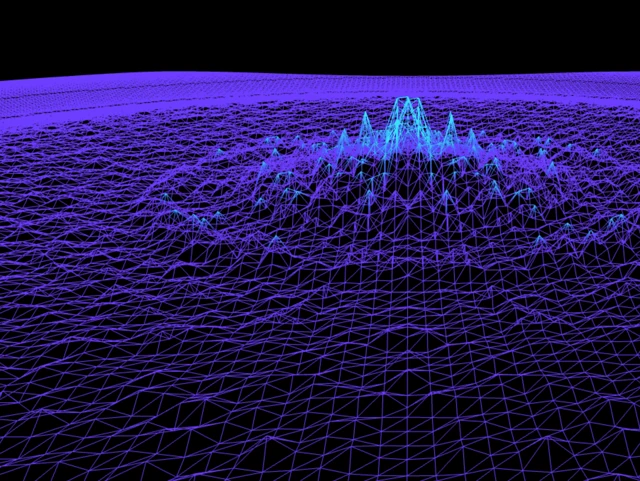
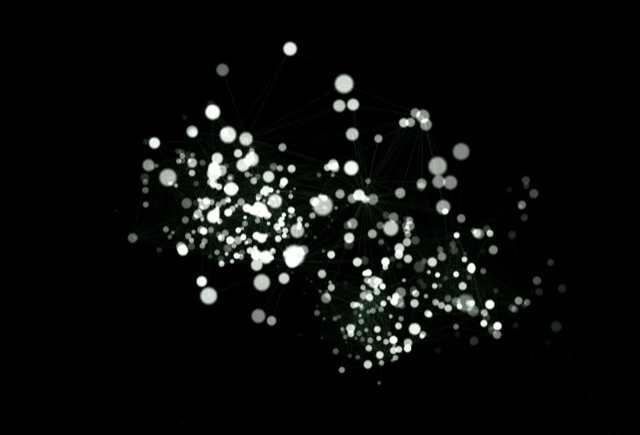
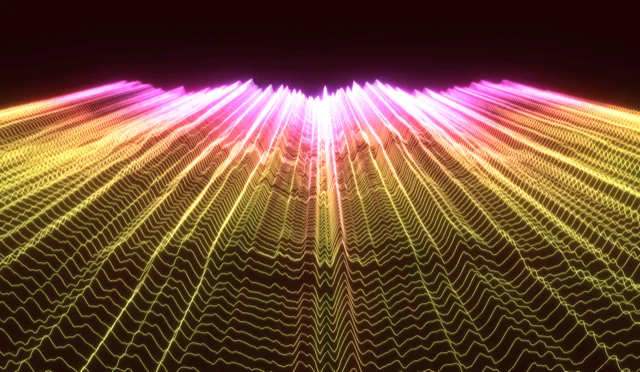
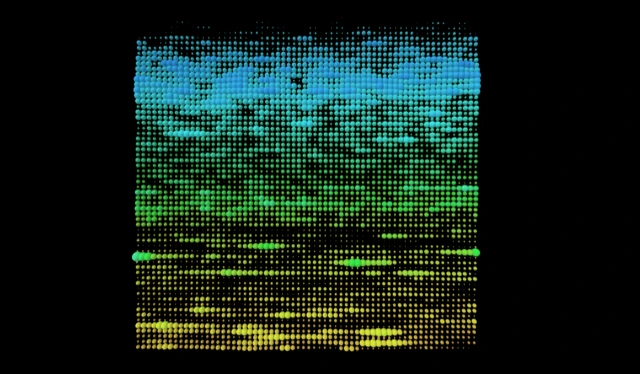
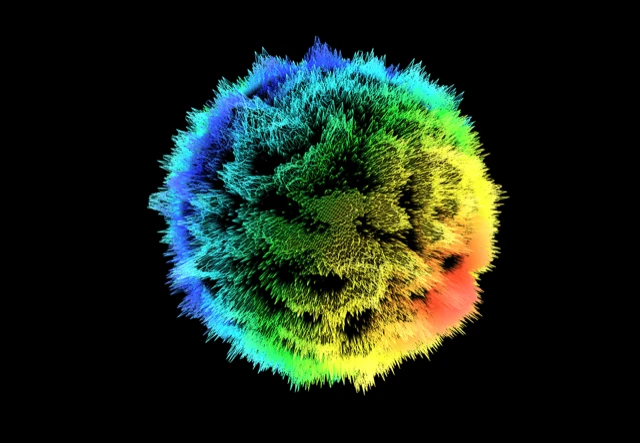
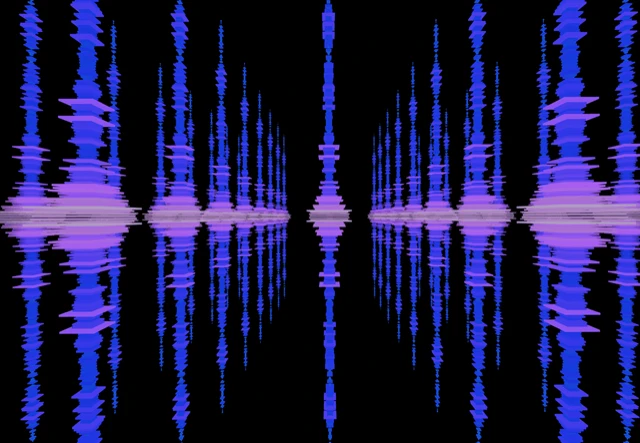
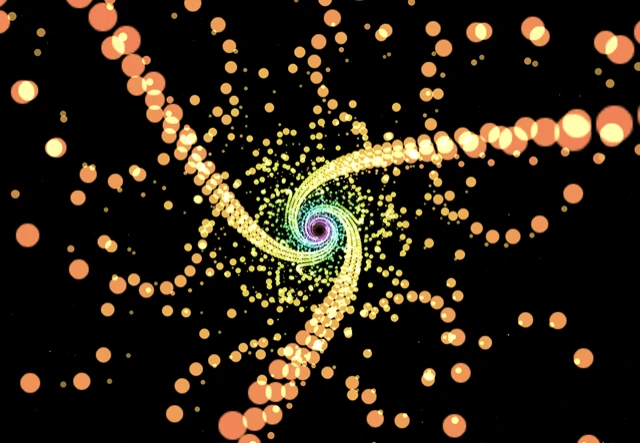
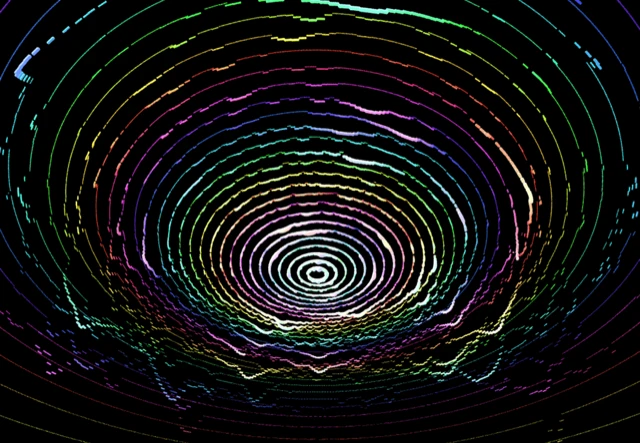
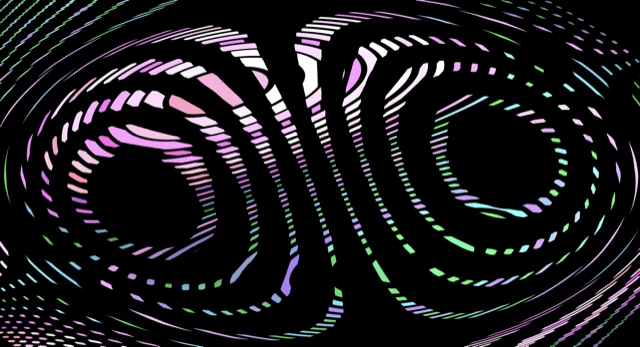
There are two very different things people mean by "music visualizer", and only one of them is real-time. The common kind is a video generator: you upload an audio file, pick a template, wait for a render queue, and download an MP4 some minutes later. It works, but you cannot watch it happen, you cannot change anything mid-song, and you certainly cannot use it live.
vizz.fm is the other kind. It analyzes the audio as it plays and draws the next frame immediately, sixty times a second. There is no render step because there is no video being produced: the visuals are the output, and they exist only while the music is playing. Move a slider and the change lands on the very next frame.
What you get
Dozens of visualizers
Particle systems, waveforms, 3D meshes, shaders, reactive spheres, all WebGL-powered and running at 60fps.
Full customization
Every visualizer has its own controls for colors, speed, intensity, and geometry. Tweak everything in real time.
Post-processing effects
Layer kaleidoscope, bloom, CRT scanlines, and more on top of any visualizer for completely unique looks.
Preset system
Save your favorite combinations and switch between them instantly. Great for live use and experimentation.
Audio-driven controls
Wire any slider to respond to bass, mids, or treble. Your visuals become truly driven by the music, not just reacting to volume.
Multiple audio sources
Upload files, use your microphone, stream URLs, or capture system audio from Spotify, YouTube, and more.
What real-time actually buys you
The obvious benefit is that you can perform with it. Run it full-screen behind a DJ set, project it at a party, or capture it in OBS as a live layer in a stream. Nothing is pre-baked, so it responds to whatever is actually playing, including a live microphone, an instrument, or a set you are mixing on the fly.
The subtler benefit is that real-time makes the visuals genuinely musical. vizz.fm runs a live FFT on the incoming audio and splits it into bass, mids, and treble, then lets you wire any control to any of those bands. Bass can drive the geometry while treble drives the color. Because it is happening live, the result tracks the actual frequency content of the song rather than just pulsing along with its volume, which is the giveaway of a pre-rendered template.
Latency matters here, so vizz.fm is built to avoid it: WebGL rendering on the GPU, no allocations in the draw loop, and frame-rate-independent motion so it behaves the same on a 60Hz laptop and a 144Hz monitor. There is no perceptible delay between what you hear and what you see.
Connect any audio source
vizz.fm works with whatever you're listening to. Upload local files (MP3, WAV, FLAC), use your microphone to pick up room audio, or capture system audio from any app via screen sharing or a virtual audio device.
We have dedicated guides for Spotify, YouTube, Apple Music, SoundCloud, Tidal, and Amazon Music.
Use it for anything
Everything happens in real time, so whether you're adding visuals to a stream, performing a DJ set, throwing a party, or just listening to an album in a dark room, vizz.fm turns your music into something you can watch.
Missing the iTunes visualizer, the Winamp/Milkdrop era, or Windows Media Player's Alchemy? vizz.fm is the modern, browser-based successor.
Common questions
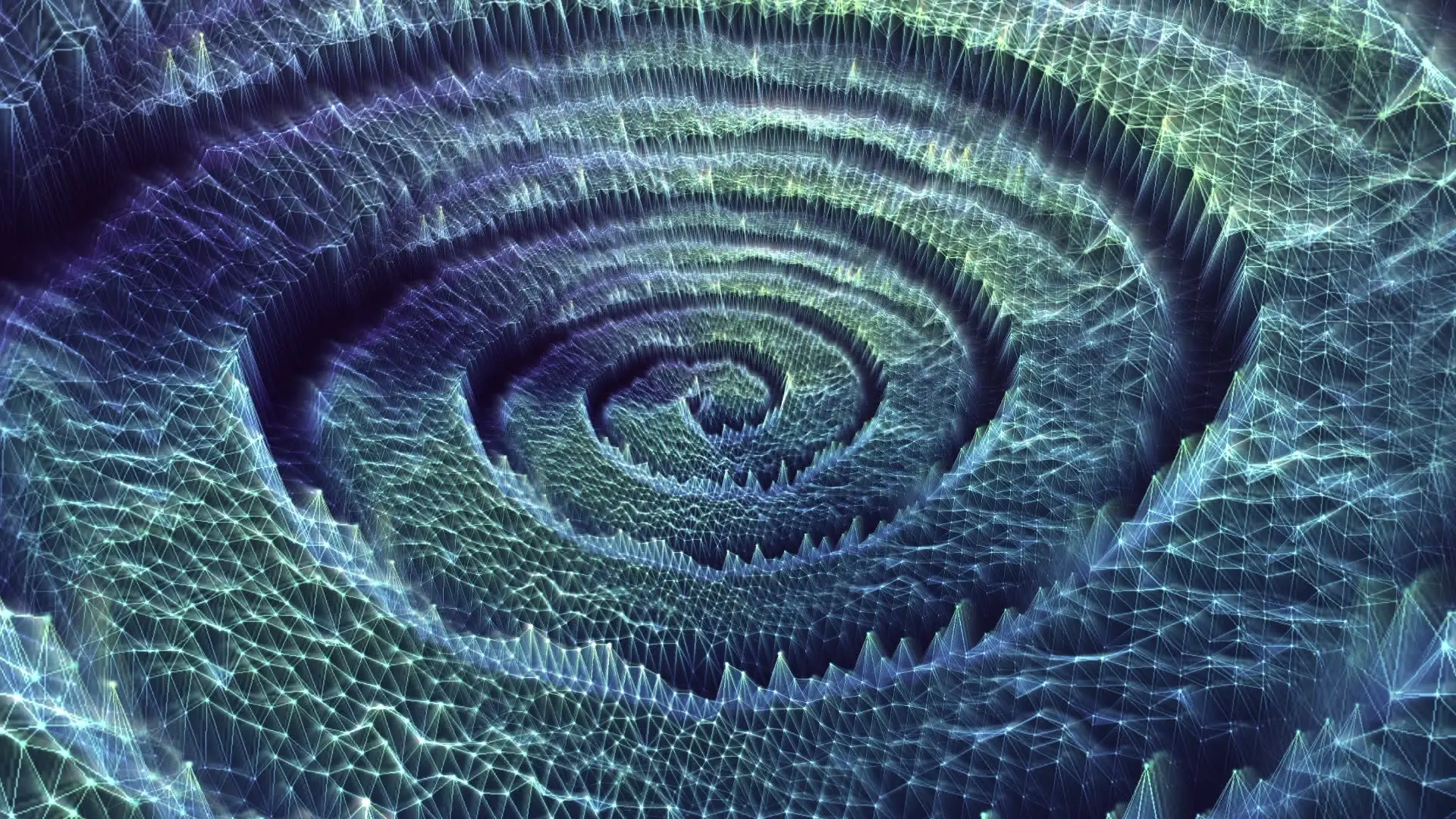
No render queue. Just play.
Every frame is drawn from the audio as it happens.